

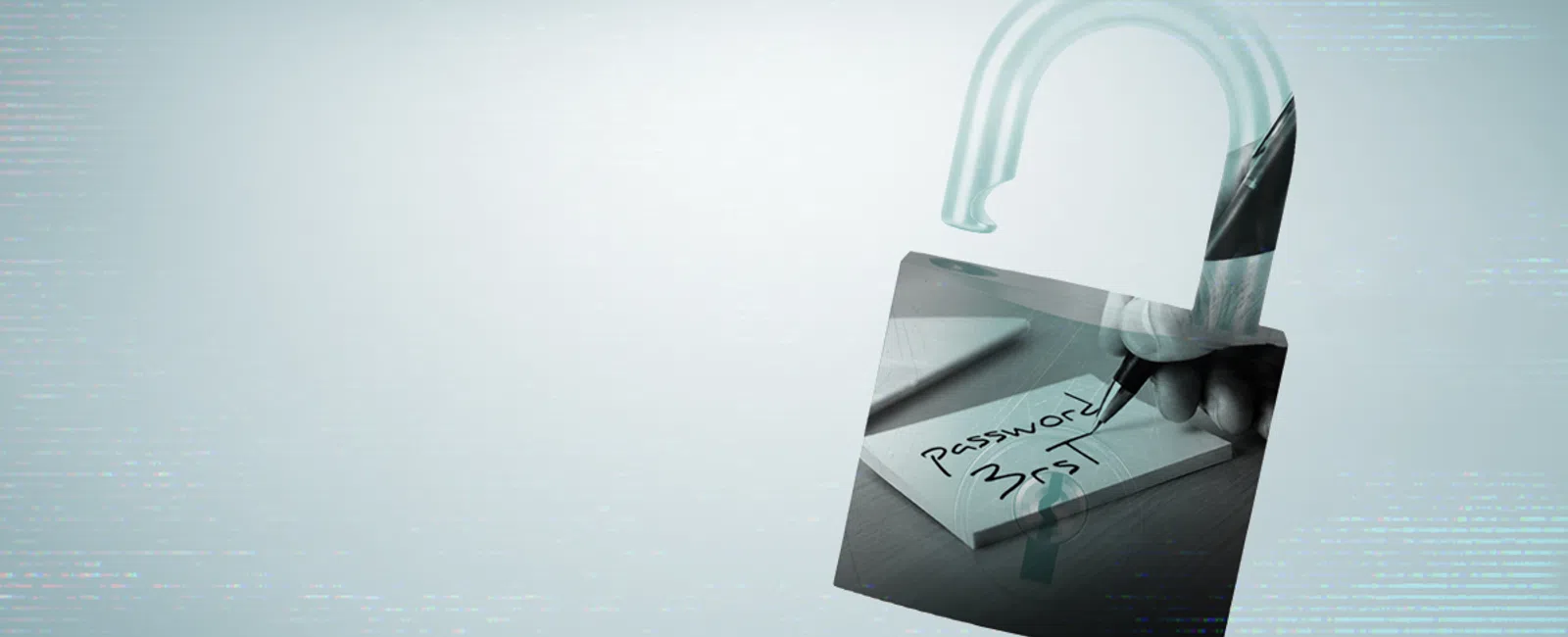
When many businesses picture cybersecurity risks, they imagine outside hackers working from somewhere overseas to punch through defenses. Yet some of the most serious threats never come from the outside at all. They start inside the organization.
Employees, vendors, partners, and even leadership can create major exposure through careless actions or deliberate harm. Knowing how insider threats work, what warning signs to watch for, and how to respond quickly can be the difference between a minor incident and an expensive breach.
The 6 faces of insider threats
Insider threats take several different forms, and each one can create real damage:
1. Data theft
Data theft happens when someone inside your organization copies, downloads, or leaks confidential information for personal benefit or harmful intent. It can also include physically taking devices that store sensitive data or moving proprietary files without permission.
2. Sabotage
Sabotage occurs when a frustrated employee, activist, or competitor intentionally damages your business by deleting files, spreading malware, disrupting operations, or locking teams out of important systems.
3. Unauthorized access
Unauthorized access means someone views or obtains business-critical information they are not supposed to see. Sometimes this is deliberate, but it can also happen when employees access sensitive data without a valid business need.
4. Negligence and error
Not every insider threat is malicious. Simple mistakes, ignored security procedures, and mishandled information can expose your business just as effectively as an attack.
5. Credential sharing
Sharing passwords is like handing over the keys to your office and hoping nothing goes wrong. Once credentials are shared, you lose control over who can access your systems, making it easier for cybercriminals to get in.
6. Unauthorized AI use
Employees may enter company or customer data into AI tools that have not been approved, creating unnecessary risk and potential exposure of sensitive information.
Spotting red flags
Early detection is critical. Make sure your team knows how to recognize these common warning signs:
- Unusual access patterns: An employee suddenly begins opening confidential records that have nothing to do with their role.
- Excessive data transfers: Large amounts of customer or company data are being downloaded or copied to external devices.
- Authorization requests: Someone keeps asking for access to sensitive information without a clear business reason.
- Use of unapproved devices: Confidential data is being accessed from personal laptops or other unauthorized hardware.
- Disabling security tools: Antivirus software, firewalls, or other protections are turned off by someone inside the organization.
- Use of unapproved AI tools: Employees begin uploading sensitive information to public AI platforms that have not been vetted or approved.
- Behavioral changes: An employee becomes unusually secretive, misses deadlines, or shows signs of extreme stress.
No single warning sign proves wrongdoing, but patterns should never be ignored. The sooner you identify a possible issue, the faster you can limit damage.
Building your defenses from the inside out
Use these five steps to strengthen your cybersecurity framework and reduce insider risk:
- Adopt a strong password policy and require multi-factor authentication (MFA) whenever possible.
- Limit access so employees can only reach the systems and data they truly need, and review permissions regularly.
- Train your team on insider threats, security best practices, and the safe use of AI tools.
- Back up critical data on a consistent basis so recovery is faster after a loss or attack.
- Create a detailed incident response plan for insider threat events, along with clear rules for AI use and sensitive data handling.
Don't fight internal threats alone
Protecting your business from insider threats can feel overwhelming, especially without the right support.
That's where an experienced IT partner makes a difference. We help businesses like yours put the right security frameworks, monitoring tools, and response plans in place so they can stay protected from the inside out. Whether you're building a plan from the ground up or improving an existing strategy, we're ready to help.
Ready to take the next step? Click here or give us a call at 214-845-8198 to schedule your free 15-Minute Discovery Call.


