

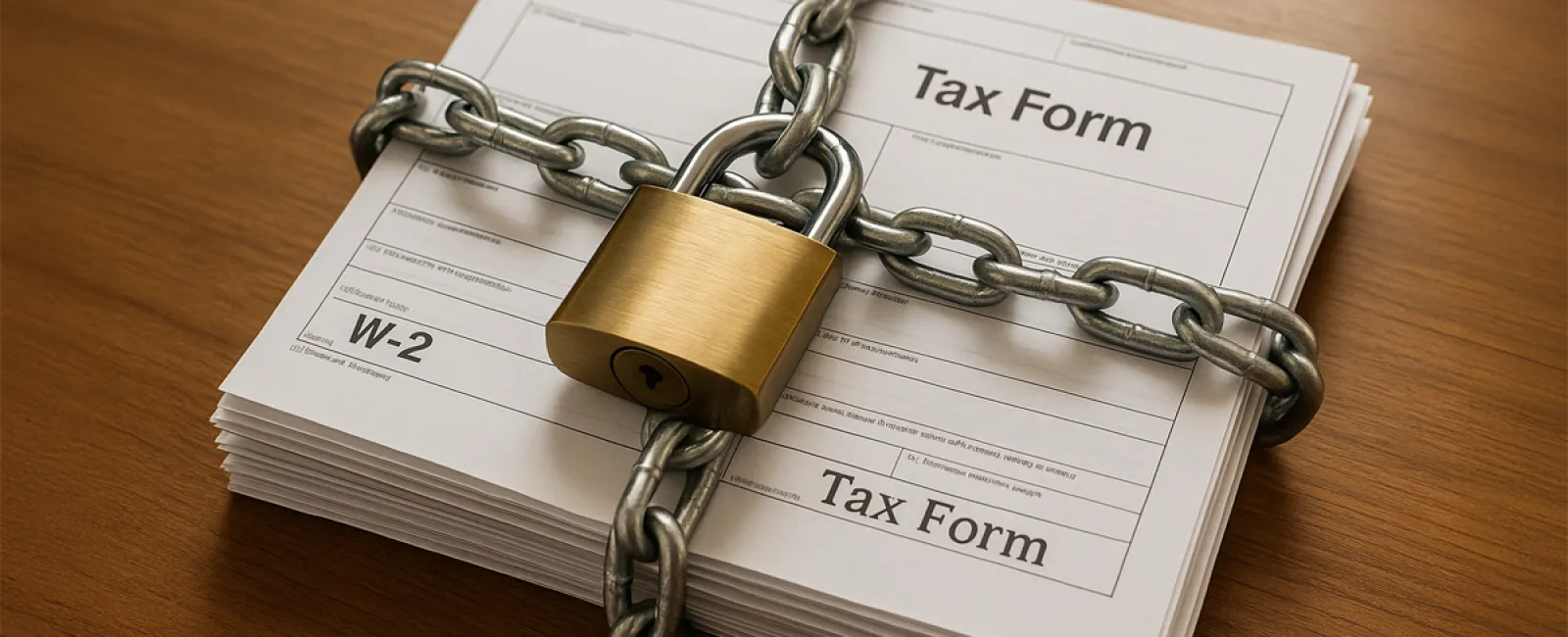
February has arrived, and with it, the hectic buzz of tax season is in full swing. Accountants are swamped, bookkeepers are busily gathering paperwork, and everyone's minds are on W-2s, 1099s, and rapidly approaching deadlines.
But there's one hazard few pencil into their calendars: the initial major tax-season complication usually isn't paperwork—it's a cunning scam.
This scam often strikes well before April, exploiting its simplicity, plausibility, and targeting small businesses. The danger may already be lurking in someone's inbox right now.
Understanding the W-2 Scam: A Close Look
Here's how it unfolds:
An employee—typically from payroll or human resources—receives an email seemingly sent by the CEO, owner, or a top executive.
The message is brief but urgent:
"I need copies of all employee W-2 forms for a meeting with the accountant. Please send them ASAP—I'm swamped today."
It comes across as perfectly normal, the tone suits a busy season, and the request feels entirely reasonable.
Without suspicion, your staff sends over the W-2 forms.
However, that email wasn't from the CEO—it's a fraudster using a spoofed email address or a deceptive domain.
Now, this cybercriminal holds every employee's:
• Full legal name
• Social Security Number
• Home address
• Salary details
Everything required to perpetrate identity theft and submit fraudulent tax returns before your employees file theirs.
The Aftermath: What to Expect
Typically, victims discover the breach when:
They attempt to file their tax return, only to be notified: "Return already filed for this Social Security number."
Someone else has already filed under their identity and claimed their refund.
This leads your employees into a prolonged battle with the IRS, credit monitoring services, fraud protection, and extensive paperwork—all due to an email they never should have trusted.
Now multiply this risk across your entire workforce. Imagine breaking the news that personal data was compromised because of a deceptive email.
This is far more than a security breach—it's a blow to trust, an HR crisis, a lawsuit waiting to happen, and a serious threat to your company's reputation.
Why This W-2 Scam Is So Effective
This scam isn't some obvious Nigerian prince scheme; its facade is convincing at first glance.
Its success is due to several factors:
The timing: February is when W-2 requests are expected, so the email raises no suspicion.
The request: Asking for W-2s feels normal during tax season—unlike a demand to wire money or purchase gift cards.
The urgency: "I'm slammed today, can you send this quickly?" seems like a genuine plea, not a red flag.
The sender's appearance: Cybercriminals do their homework, mimicking the CEO or accountant's identity through carefully spoofed addresses.
The employee's mindset: A desire to help their boss often trumps skepticism, making urgency overpower caution.
Proactive Steps to Safeguard Your Business
Here's the good news: stopping this scam is entirely possible with the right policies and a vigilant culture—not just high-end technology.
Enforce a strict "no W-2s via email" policy—no exceptions. Sensitive payroll documents must never leave your office as email attachments. Responding "no" to any email request for these documents is mandatory, even if it appears to be from the CEO.
Confirm any sensitive requests through a separate channel—call, in-person, or secure chat—not by replying to the email. Use verified contact numbers you already have on file. This simple 30-second check can prevent months of complications.
Hold a quick, 10-minute team meeting on tax-season scams now. Prepare your payroll and HR teams for the spike in such fraud attempts—timing is crucial.
Secure your payroll and HR systems with multi-factor authentication (MFA) anywhere employee data is accessed. MFA acts as a strong final defense against compromised credentials.
Foster a workplace culture that encourages verification rather than suspicion. Reward employees who take the initiative to double-check requests from executives. When caution is appreciated, scammers find no cover.
These five straightforward rules are easy to implement within a week and provide a robust shield against the initial wave of attacks.
Looking Beyond the W-2 Scam
The W-2 scam is only the beginning.
As tax season progresses, be alert for a range of related scams:
• Fraudulent IRS notices demanding immediate payments
• Phishing emails impersonating tax software updates
• Spoofed communications from "your accountant" containing harmful links
• Fake invoices disguised as tax expenses
Cybercriminals exploit the chaos and rush of tax season, knowing unusual financial requests don't appear out of place.
Successful businesses aren't lucky—they're prepared with clear policies, ongoing training, and security systems that detect suspicious activities before they escalate.
Prepare Your Business Today
If your company already has strong safeguards and your team is aware of these threats, you're ahead of many others.
If not, act now—don't wait for the first breach to occur.
For tailored guidance, schedule a no-cost 15-minute Tax Season Security Check.
During this session, we'll examine:
• Your payroll and HR system access and MFA status
• Verification procedures for W-2 requests
• Email security measures to block spoofing
• The critical policy adjustment most businesses overlook
If you're not concerned, share this vital information with a fellow business owner who might benefit. It could save them from a costly ordeal.
Click here or give us a call at 214-845-8198 to schedule your free 15-Minute Discovery Call.
Because tax season is already stressful—don't let identity theft make it worse.


